The most useful workforce plan follows the flow of the project, not the boundary of the facility. It connects utility readiness, equipment production, construction and commissioning in one capacity view.
The opportunity and the constraint
U.S. data center electricity use is projected to rise sharply through 2028, increasing pressure across power, cooling, manufacturing and construction ecosystems. Capacity will depend not only on capital and equipment, but also on whether specialized teams can complete the work in the right sequence. The following framework focuses on practical workforce and operating choices that leaders can make before schedule pressure removes those choices.
A data center is an ecosystem, not a single project
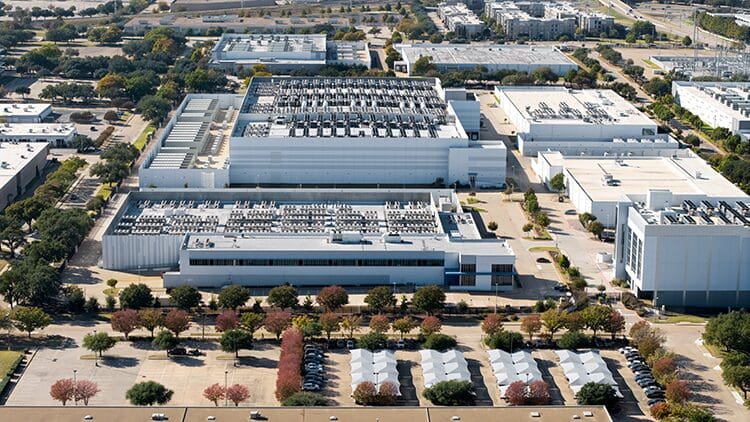
Discussions about data center growth often focus on the building, the servers or the headline power requirement. Delivery is much broader. A project depends on utilities and grid partners, engineering and design firms, general and specialty contractors, equipment manufacturers, component suppliers, logistics providers, commissioning teams and operations personnel.
That interdependence changes the workforce question. It is not simply whether the owner can hire enough people. The real question is whether every organization on the critical path has enough qualified capacity at the right moment. A shortage at a switchgear supplier, controls integrator or utility engineering group can affect the schedule even when the site team is fully staffed.
The people behind each link in the chain
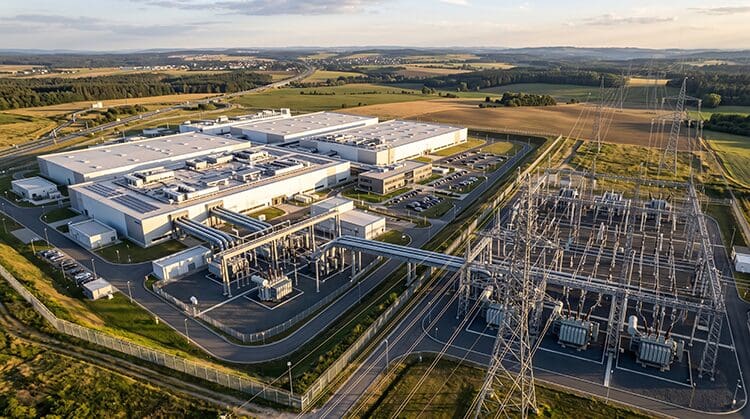
Power and utility readiness begins with planners, electrical and civil engineers, substation and transmission specialists, protection and controls professionals, permitting teams, project managers and field crews. Their work establishes whether power can reach the site on the required timeline and under the expected reliability conditions.
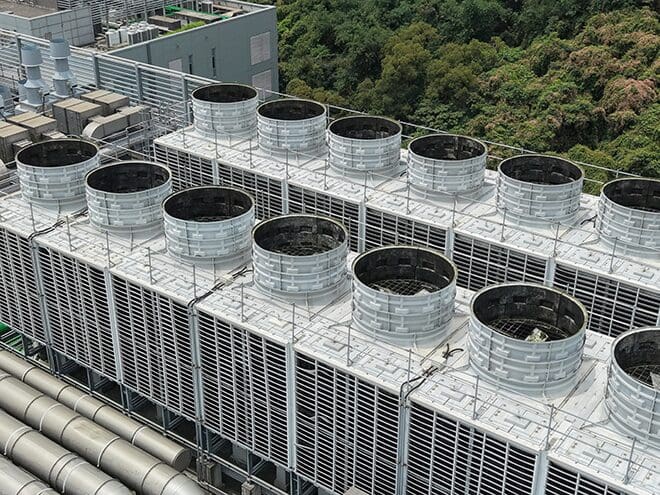
Equipment production relies on product and applications engineers, electrical and mechanical designers, controls specialists, sourcing and supplier-quality professionals, manufacturing engineers, quality technicians, skilled assemblers and test personnel. These teams turn specifications into repeatable production for switchgear, generators, UPS systems, busway, cooling equipment, pumps, heat exchangers, controls and modular assemblies.
Construction and integration add estimators, schedulers, project controls professionals, superintendents, safety and quality leaders, MEP coordinators, controls technicians and skilled trades. Commissioning then brings together electrical, mechanical and controls expertise to prove that individual systems and the integrated facility perform as intended.
Why the handoffs matter as much as headcount
Most delivery risk appears at interfaces. A design revision reaches manufacturing late. A component substitution is approved without enough test time. A field installation differs from the approved sequence. A controls point list is incomplete when functional testing begins. These are coordination problems with workforce consequences.
Organizations can reduce interface risk by naming an accountable owner for each major handoff, defining the information that must travel with the work, and setting readiness criteria before the next team begins. Cross-functional design reviews, supplier readiness checks and early commissioning involvement help expose gaps while there is still time to respond.
Build a workforce map alongside the project schedule
A practical workforce map starts with critical deliverables and works backward. For each deliverable, identify the skills required, the organization responsible, the date capacity is needed, the likely constraint and the backup path. Include suppliers and external partners, not just internal teams.
The map should distinguish sustained demand from temporary peaks. Core product knowledge, safety leadership and customer ownership may belong in permanent roles. Design surges, documentation backlogs, production ramps, site peaks and commissioning windows may call for flexible capacity. The goal is not a single staffing model. It is continuity across changing phases.
Questions leaders should ask now
- Which deliverables have only one qualified owner?
- Where are engineering reviews, supplier approvals or test activities accumulating?
- Which roles are needed earlier than the hiring plan assumes?
- What knowledge would be lost if a key contributor became unavailable?
- Which supplier constraints are visible only after an order is placed?
- What work can be standardized, documented or cross-trained before demand peaks?
Final perspective
The workforce behind a data center is distributed, specialized and tightly connected. Organizations that plan across the ecosystem can see constraints earlier, protect critical handoffs and respond to demand without treating every problem as a last-minute hiring emergency.
Sources and further reading
- U.S. Department of Energy, “DOE Releases New Report Evaluating Increase in Electricity Demand from Data Centers”. https://www.energy.gov/articles/doe-releases-new-report-evaluating-increase-electricity-demand-data-centers
- U.S. Department of Energy, “Best Practices Guide for Energy-Efficient Data Center Design”. https://www.energy.gov/sites/default/files/2024-07/best-practice-guide-data-center-design_0.pdf
- ASHRAE, “Data Center Resources”. https://www.ashrae.org/technical-resources/bookstore/datacom-series
- Sterling Engineering, “Data Center”. https://www.sterling-engineering.com/data-center/